
Fashion in the Era of Digital Shopping

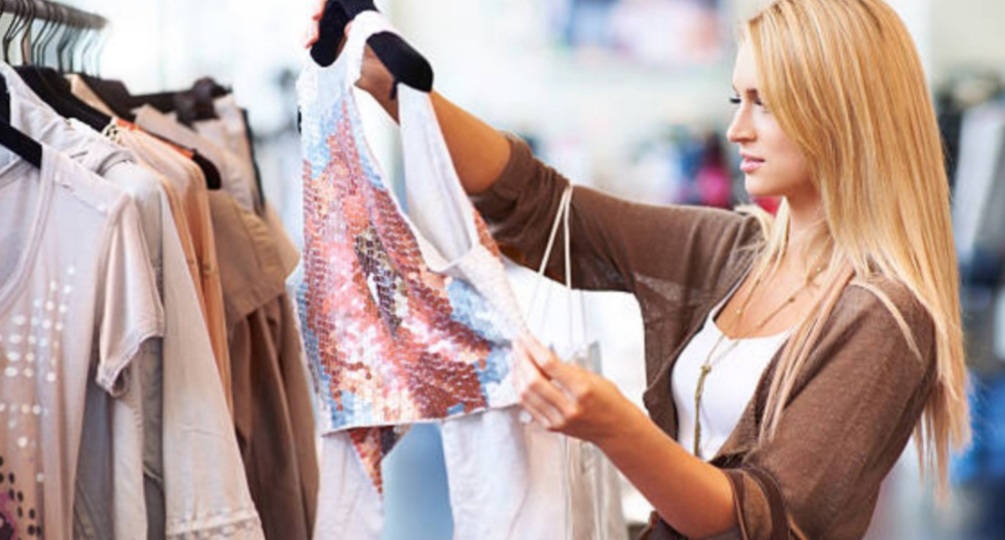
The online sector  has been on the rise since years, and the pandemic, for obvious reasons, has accelerated its growth in an unprecedented manner. Yet, it is hard to believe that fashion stores will ever be permanently and heavily defeated by a shift in consumers habits towards the online sector. When compared to online shopping, buying fashion products in physical stores is quite a different experience, with completely different meanings in terms of both motivations and emotional values. From the physical stores of large clothing chains, up to the many small and medium businesses run by individuals, like small clothing shops and  boutiques, there are deep reasons that entice fashion enthusiasts way more than shopping online. These reasons are related to the typical purchasing behavior of consumers when it comes to fashion products. The first reason is that physical stores offer a curated selection of products, often hand-picked and tailored along the needs and tastes of a specific and well-known clientele. Physical stores, compared to virtual ones, also offer the irreplaceable assistance of a salesperson who can  help clients identify the right garment for their needs, guiding them on new styles and trends, suggesting what is more suitable. Customers highly value the advice from a professional, and at least 1 in 5 customers state that a salesperson’s advice is their number one reason why they prefer to shop in-store. Another  great advantage of brick-and-mortar stores is the ability to satisfy the need to touch, feel, and, absolutely, try on the garment, as well as the instant gratification of taking home your purchase right on the spot.
Moreover, shopping in physical stores  certainly falls within the range of leisure experiences, often combined with other relaxing activities, like dining out, visiting the city center, or meeting with friends. Shopping for clothing is mostly an enjoyable occasion, the many implications of which are hardly replaced by an Internet session.
The choice to buy a new item of clothing, in addition to being one of the most discretionary, is also very often an impulsive one; on the contrary, the Internet  specifically favours reasoned purchases, most of the times the result of a careful comparison between products and prices. 
Even though online stores offer an extremely large amount of products, this doesn’t necessarily represent an advantage. In fact the ‘choice overload’ can be overwhelming, sometimes interfering with the consumer’s ability to make decisions.
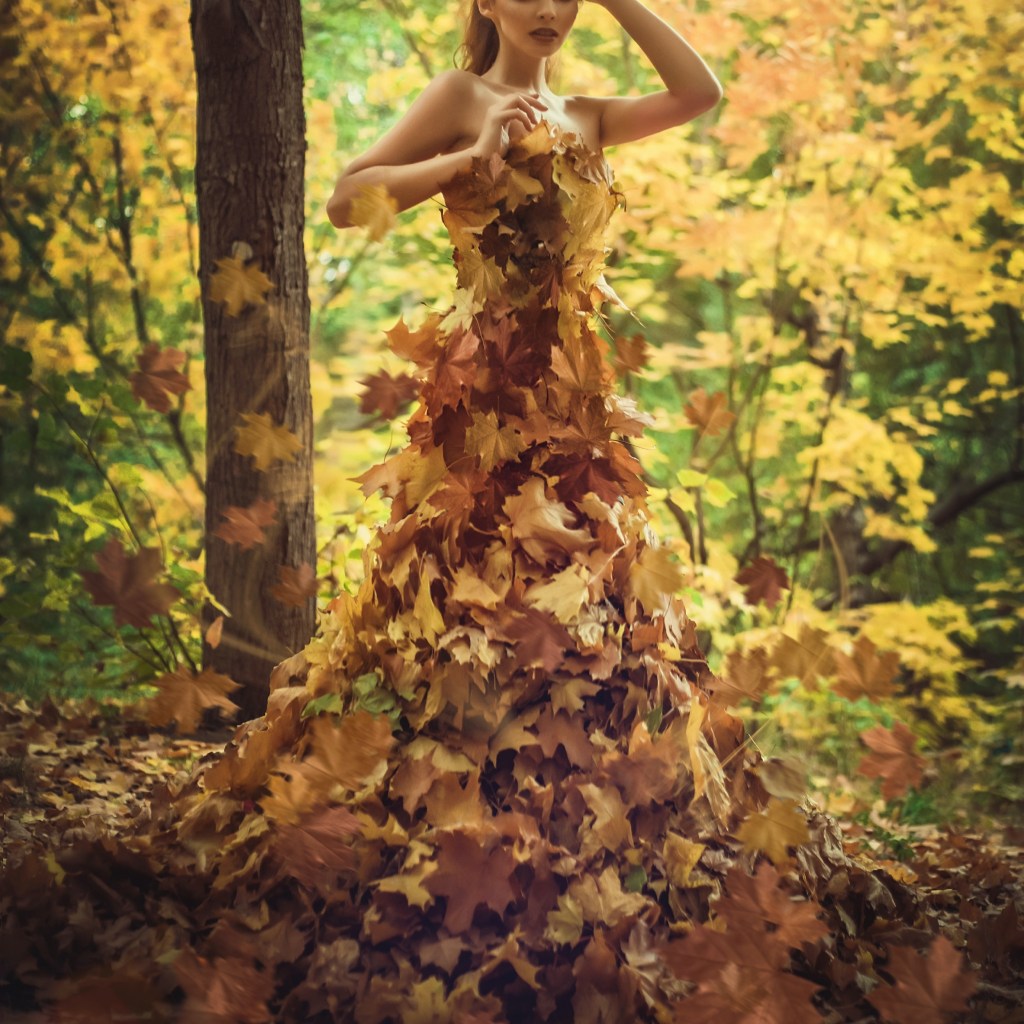
The latest trend is sustainable fashion

More and more often sustainability is being recognized as a serious issue even in the realm of fashion. The concept of sustainability refers to the fashion sector implying
an approach towards sourcing, manufacturing and designing clothes centered on minimizing the impact on the environment, as well as safeguarding the social communities involved in the productive process.
With an increasing demand from consumers for products which are environmentally sustainable, leading designers and major global brands have been undertaking the green direction, and advert campaigns are clearly portraying the new desire for responsibility and commitment towards the environment.
Fashion is known as one of the most polluting industry on the planet. It is a while since the various aspects related to the environmental impact of fashion have clearly emerged: among others are the use of highly polluting chemicals during the dyeing process; the enormous problems caused by micro plastics ending up in the oceans, derived from the laundering of synthetics textiles; the impossible management of tons of textile waste, generated every day by the low-cost, fast fashion system.
The current health crisis has accentuated the awarness of how much nature and human activities are interconnected, in a way where failure to respect the former has ever more catastrophic consequences for the latter.
The need for sustainability in the fashion sector has been a much shared feeling in the most recent months, and personalities, like Giorgio Armani, made clear statements on the need for change. When the epidemic was at its pick in Italy, the designer made an announcement about his willingness to reduce the number of annual releases and parades, partially or totally abolishing pre-collections. Armani pointed at the hyper-accelerated production model typical of the fast fashion, and its enormous consequences for the environment, highlighting the fact that luxury takes time to build, and, as such, it should be associated to pondered consumption, while the endless manufacturing cycle seriously harm both creativity and the planet. According to the designer, in such particular times
people will more often buy clothes that last, rather than fall in the usual craze consumption circle, and beauty and quality will be prominent again. In this new scenario, there are strategies that can be adopted by the whole of the fashion system in its complexity, in order to address the environmental concerns, and satisfy the increased demand for sustainability.
Actions being undertaken in this direction ranges from expanding the use of organic fibers to the promotion of chains of production that can prove respectfulness for the related natural and social environment. The
adoption of recycling policies by big and small players in the industry is already in place and widespread, and, on the other side, companies and individuals are getting ever more involved in the development of a circular economy in the sector – examples of which are the various online sites that offer the possibility to buy, sell, rent or exchange clothes and accessories. From its end, Italian fashion has all the cards to face the new challenge, even though it may not yet be aware of it, and still does not fully exploit this potential. In fact, the Italian production by its own nature, given the typical high quality standards, relies largely on natural materials, such as organic cotton, linen and silk. Furthermore, made in Italy garments, even in the case of ready-to-wear products, always have an added value from the point of view of both quality and aesthetics. Italian clothing represent unique pieces gifted with the characteristics of durability, not responding to the connotation of ‘disposable’ fashion that is nowadays so clearly associated with the fast fashion production.

The comeback of the Maxi Dress

The maxi dress, in fact, has never stopped being fashionable, as the long, voluminous, summer dress is one of the most persistent trend on the fashion scene since a good while.
A versatile, easy to wear, and comfortable garment that is considered an essential must-have item in every closet. The maxi dress trend can be declined according to the most varied interpretations: from being a ’70s’ stylish and colourful revival, to incarnating the delicate and refined boho-chic model, based on soft tones and on the use of precious, light and translucent fabrics.
Maxi dresses from the Spring Summer 2020 collections also draw inspiration from ethnic hints and gypsy atmospheres, featuring a mixed combination of vivid colours, prints, and layers.
But certainly the most contemporary reinterpretation of the maxi dress in the 2020 version, is the one that focuses on the minimalism of the solid colours, coupled with the use of abundant volumes.
Last but not least, the Spring Summer 2020 maxi dress is also capable of becoming a very sexy fashion staple, showing off deep necklines on the back, cut-outs on the hips, and one-shoulder styles.
Beside its versatility, the long dress is an imperative summer piece also for its comfort. Soft and fresh, it is ideal even during the hottest days. This beautiful garment can be easily and perfectly combined with many summer trendy accessories, such as sandals, large hats, and long necklaces.


DRESS by H2O

DRESS by GAUDÌ

Subscribe to receive our Newsletter

Processing…
Success! You're on the list.